Domain Search
 AI Domain Search
 Domain Transfer
 TLD List with Prices
 SSL Certificates
 Create a Website
 Google Workspace
 News
 Podcast
 Promos
 About Us
 Contact

Let’s Encrypt confirmed that its production certificate service began using six remote network perspectives for domain validation on November 10, 2026, up from four. Most website owners should see no change. Operators who manage their own ACME challenges should check that DNS and challenge responses remain reachable if issuance or renewal starts failing.
What changed on November 10
Let’s Encrypt now checks domain control from its primary location and six remote network perspectives. It previously used four remote perspectives. A certificate request succeeds when the primary check and the required quorum of remote checks receive the correct challenge response; the announcement does not say every remote request must succeed. The broader view makes it harder for an attacker to redirect validation traffic in one part of the Internet and obtain a certificate for a domain they do not control.
This is a change to domain validation during issuance, not to certificates already installed on a website. It is also separate from Let’s Encrypt’s planned 64-day certificate rollout in 2027. The CA/Browser Forum’s baseline requirements call for at least five remote perspectives from December 15, 2026; Let’s Encrypt’s production update arrived before that milestone.
When website operators should check their setup
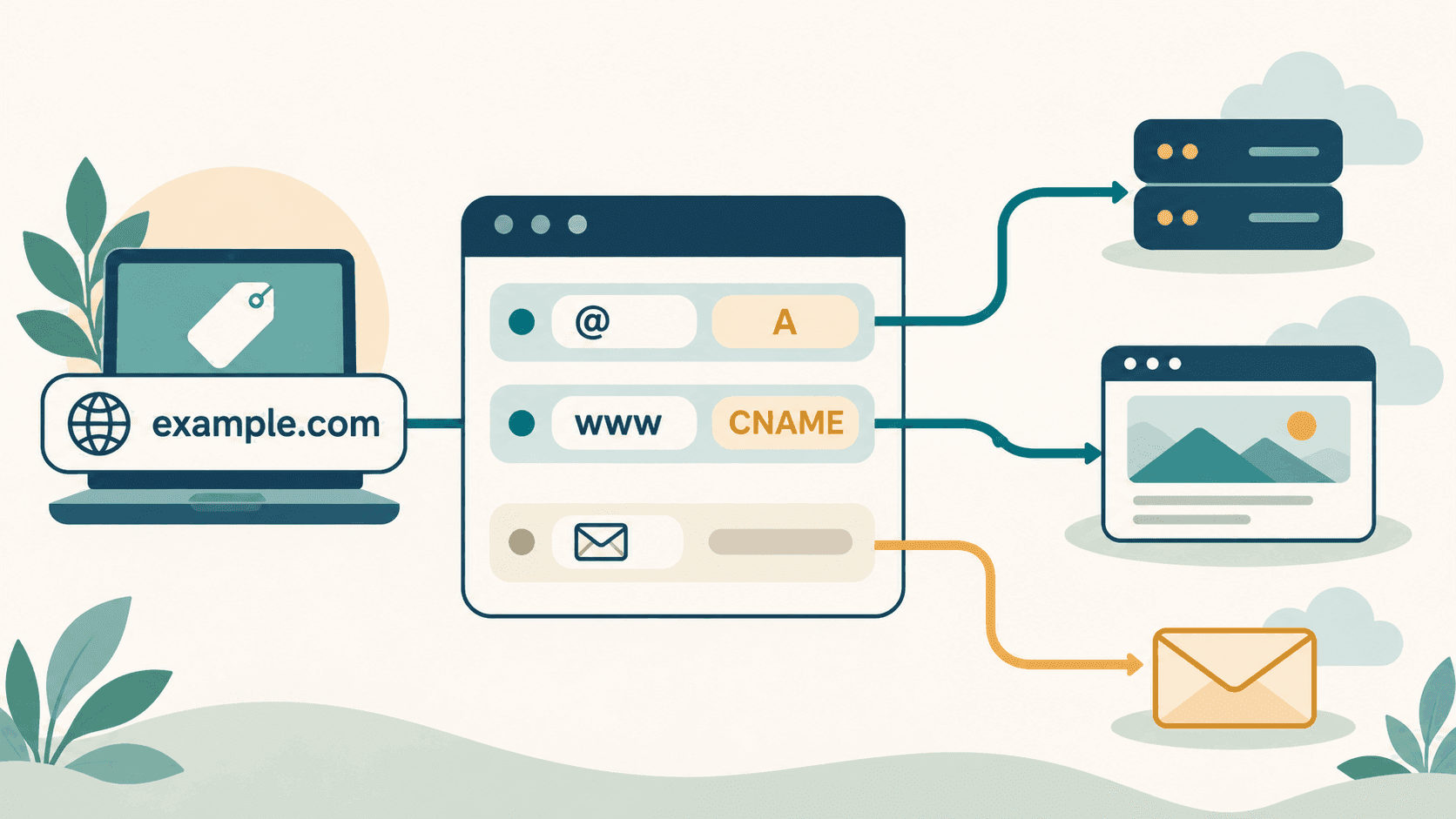
Let’s Encrypt expects little or no impact for most users. If your hosting provider manages certificate issuance, monitor its normal renewal status rather than changing DNS or firewall rules because of this announcement. If you run your own ACME client and a request fails, identify the challenge method first. HTTP-01 needs the challenge path reachable on port 80; TLS-ALPN-01 uses port 443; DNS-01 needs the correct TXT answer in the public authoritative DNS. A response that works from your own network may still fail from another perspective.
Review the ACME error, the challenge response, authoritative DNS and any geographic or network restrictions with your hosting or security team. Avoid broad security changes without diagnosing the actual failed check. A restrictive CAA record can also prevent an otherwise valid issuer from issuing a certificate, so inspect it as a separate cause when relevant.
What NicNames clients can do
Keep track of who manages certificates for each domain and confirm that renewals are completing. NicNames offers SSL certificate options; the right next step depends on the certificate service and challenge method your website actually uses. This change does not require a registrar transfer or a new DNS record by itself.