Domain Search
 AI Domain Search
 Domain Transfer
 TLD List with Prices
 SSL Certificates
 Create a Website
 Google Workspace
 News
News Podcast
 Promos
 About Us
 Contact
Outsourcing your website development can be a practical and cost-effective solution—especially for startups and small businesses. But too often, business owners unknowingly give away critical control or remain in the dark about what’s being built. To avoid common pitfalls, it’s essential to approach contractor relationships with clarity and foresight. Here's how to stay in control of your digital property and ensure your website is built the right way.
Know Who Owns the Domain—And Make Sure It's You
One of the most overlooked but crucial details in web development is domain ownership. When working with a contractor, many clients assume the developer will “take care of it.” That’s fine—but only if it’s done in your name.
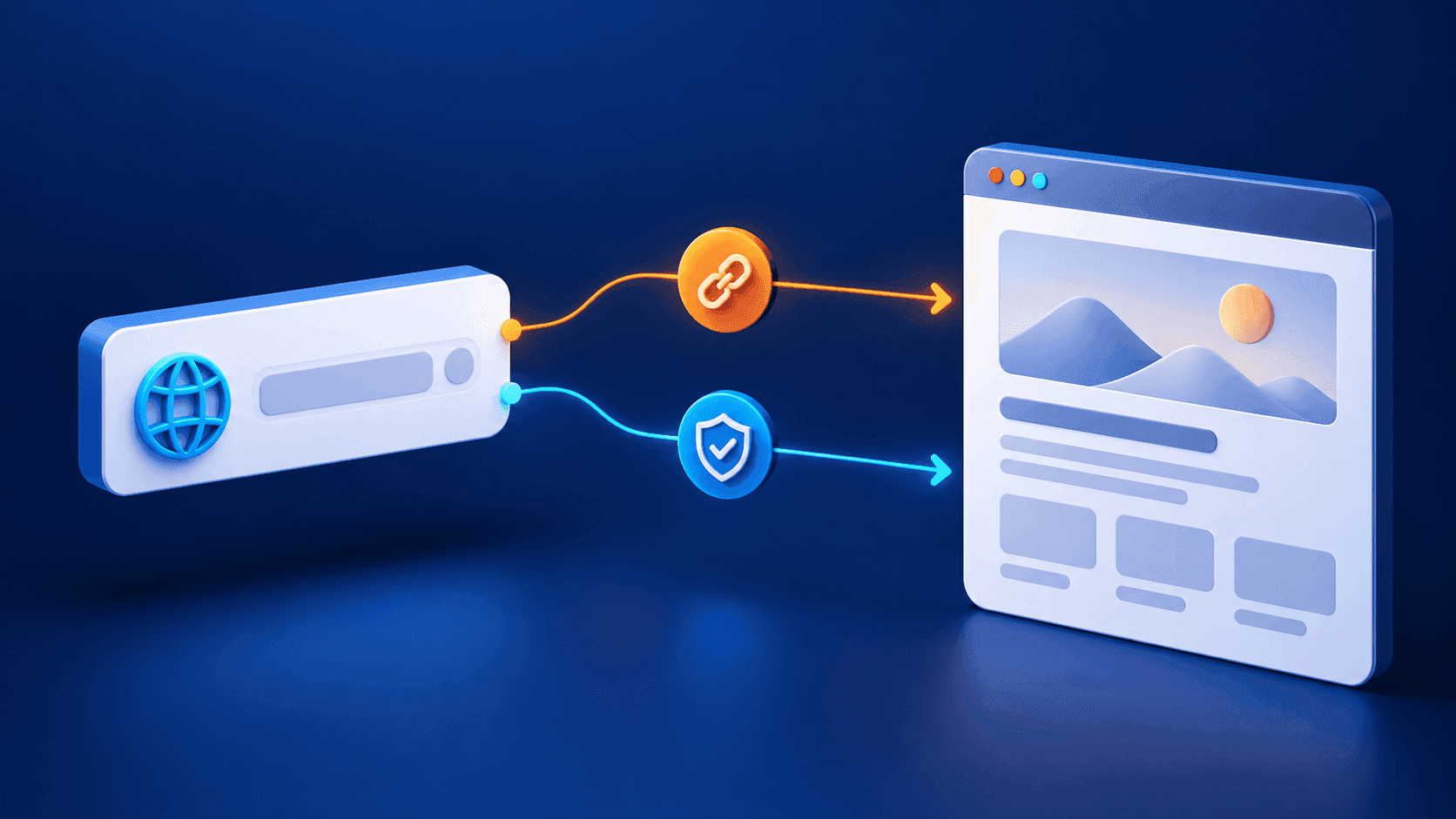
Always register your domain using your own credentials or company name. If a contractor handles registration on your behalf, insist they do it using an account you own and control. You can verify domain ownership with a WHOIS lookup. Why is this important? Because whoever controls the domain ultimately controls the site. Losing access could mean losing everything—brand identity, SEO rankings, and customer trust.
Access Control: Give What’s Needed—Nothing More
Granting access is part of collaboration, but not all access is created equal. It's easy to blur lines between convenience and risk. When bringing in contractors, only give them the credentials they actually need.
Most content management systems and hosting platforms allow multiple user roles. Leverage this. Give your developer access to your hosting control panel or CMS—but ideally under their own user profile, with restricted permissions. Never hand over access to your domain registrar or email provider unless it’s absolutely required, and even then, use two-factor authentication and keep a log of activity.
The golden rule: retain the keys to your digital infrastructure, and treat your credentials as assets—because they are.
Stay Engaged: Control the Process Without Coding
Not being a developer doesn’t mean you have to be passive. Staying involved is easier than you might think—and it’s essential. Ask for a clear timeline with milestones, and request a test environment where you can monitor progress in real time.
Use free tools like Trello, Notion, or Asana to keep track of deliverables. Schedule short weekly check-ins or request screen recordings to review work asynchronously. Visibility leads to accountability, and it helps prevent delays, miscommunication, and scope creep.
Your role is not to micromanage the code, but to ensure that the project stays aligned with your goals and expectations.
Avoid the Pitfalls: Common Mistakes You Can Skip
Many issues with outsourced web development stem from misplaced trust or unclear boundaries. One of the most common errors? Not having a proper contract. A simple agreement outlining responsibilities, deadlines, payment terms, and who owns what can prevent major headaches.
Another frequent misstep is assuming backups are someone else’s responsibility. They’re not. Insist on regular backups before major updates or site migrations.
And perhaps most importantly, don’t go silent. Infrequent communication creates blind spots, and by the time issues surface, fixing them may be costly—or impossible.
Verifying the Final Product Without Technical Skills
Even if you can't read code, you can assess quality using freely available tools. For performance, run the site through Google PageSpeed Insights or GTmetrix. For SEO fundamentals, check for mobile responsiveness, correct meta tags, and a proper sitemap.
Ensure the site uses HTTPS (with a valid SSL certificate) and that you can access the admin panel independently. If anything feels off—or if access is restricted without reason—don’t hesitate to bring in a second opinion. A brief audit by a neutral developer can confirm whether the site meets modern standards.
You don’t need to be a developer to protect your investment—you just need to ask the right questions and use the right tools.
Conclusion: Stay Smart, Stay in Control
Hiring contractors to build your website can be a smart decision—but only when done strategically. Protect your domain, give limited access, communicate clearly, and use tools to validate the work. With the right approach, you can get the expertise you need while keeping full ownership and control of your digital presence.